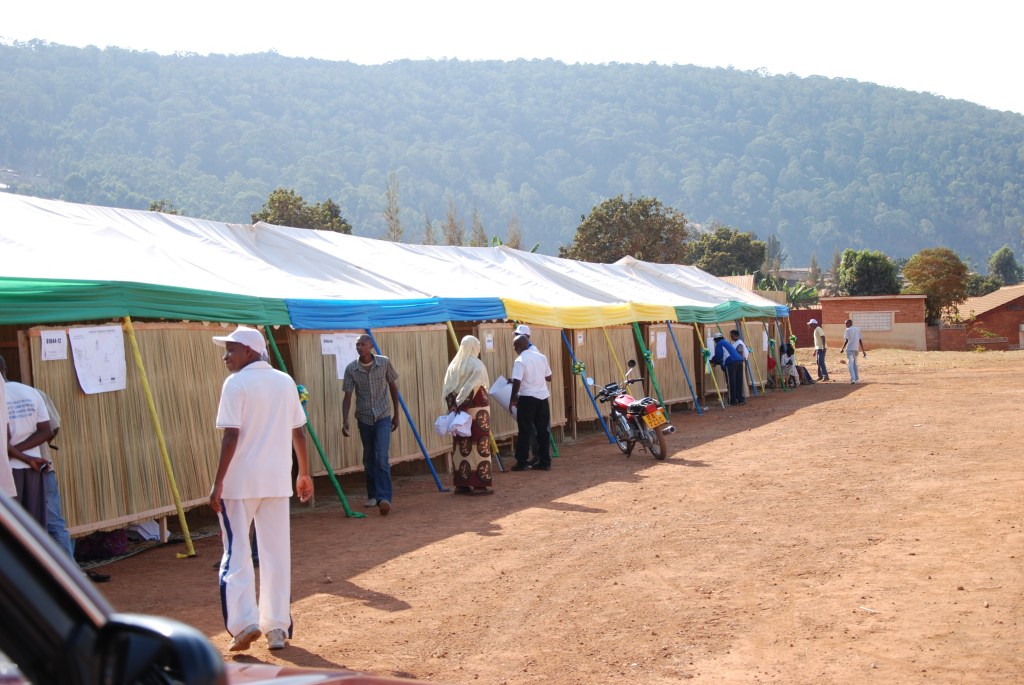
This week, Anna Litvinenko discussed the role of elections in authoritarian states, specifically Russia, though also the difficulties facing researchers in these countries, especially when it comes to interviewing people. A large part of her presentation involved the tactics that she personally used in interviewing, both to ensure that she was receiving comprehensive and pertinent information, but also to keep her interviewees safe in a political climate which punishes dissent. What worked most effectively for Anna was creating strong, personal networks in order to have people she trusted, who trusted her in return, who could help her find potential interview subjects. The other large part was that when she interviews a subject she would create a personal connection, meeting them multiple times. This process was necessary for two reasons. The first was that by creating this personal connection, she could better understand the threats facing her interviewees, the dangers they could attract by speaking with her in order to ensure their maximum safety possible. The second reason was that by creating an environment wherein the subjects felt they could open in dialogue with no fear, since she took their safety seriously and was engaging with them on a level beyond just a superficial, she was able to get more accurate information. The more comfortable an interviewee is, the more likely they are to give their true opinion.
A more personal approach would also be an effective tool in Rwanda. As mentioned in other blog posts, opponent leaders and their family and friends are often killed or go missing, and among human rights groups it is well-known that torture and other coercive measures are used in the nation (https://www.aljazeera.com/news/2017/10/rwanda-illegally-detaining-torturing-civilians-hrw-171010094439905.html). Civil society and all dissidents are regularly silenced and there is no space for true public discourse criticising the government (https://freedomhouse.org/country/rwanda/freedom-world/2019). It is unlikely then that most people would be willing to put themselves and their families in danger to answer a researcher’s questions. Thus, Anna’s policies of creating personal connections and networks in the country would be extremely effective in this context, since interviewers could engage with subjects, increasing their safety and gathering more accurate responses.
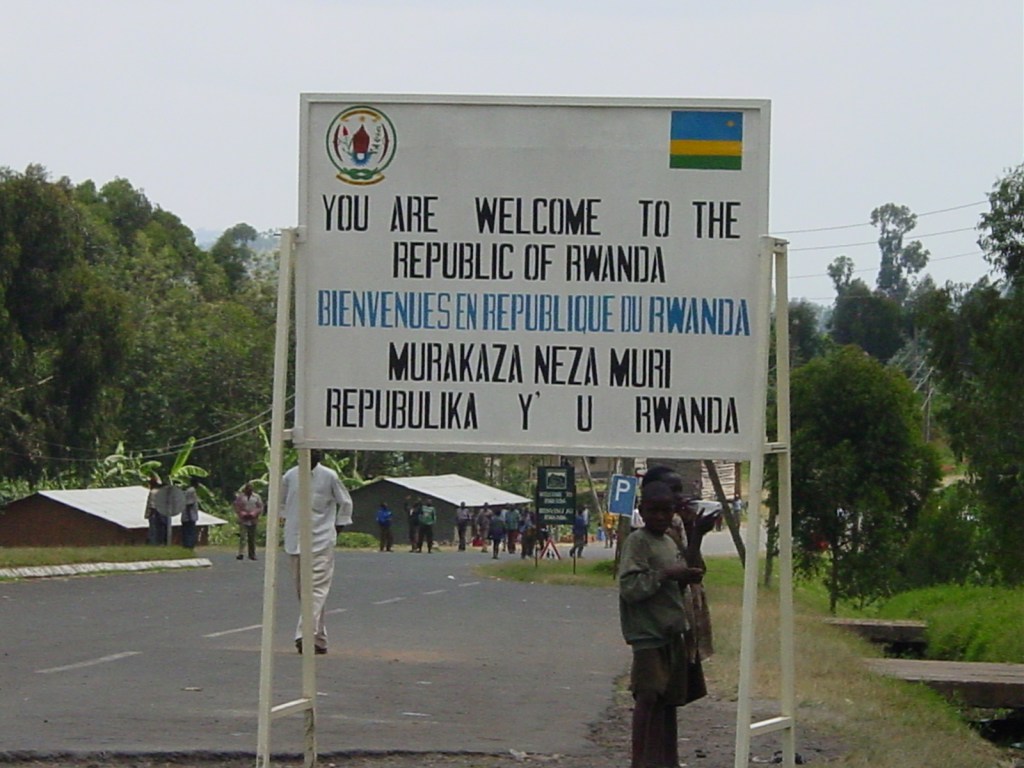
Additionally, though not mentioned, one of the strengths of Anna’s approach in Russia is that she herself is Russian and speaks the language. This is something that would also be necessary in the case of Rwanda, especially the need to speak the language. Though there are three official languages in the country, French, English and Kinyarwanda, French and English are spoken by only 0.1 and 0.2% of the country respectively (https://www.worldatlas.com/articles/what-languages-are-spoken-in-rwanda.html). They are languages for the elite while Kinyarwanda is spoken by about 93% of the population making it the most widely spoken language in the nation (https://www.worldatlas.com/articles/what-languages-are-spoken-in-rwanda.html). Thus, not only would an interviewer need to engage on a more close and personal level, but they would need to speak Kinyarwanda if they truly wanted to speak with a broader cross-section of Rwandan society, not just the elite who speak other languages.
Works Cited:
- Chepkemoi, J. (2017, August 1). What languages are spoken in rwanda? WorldAtlas. https://www.worldatlas.com/articles/what-languages-are-spoken-in-rwanda.html
- Essa, A. (2017, October 10). Rwanda illegally detaining, torturing civilians: HRW. Al Jazeera News. https://www.aljazeera.com/news/2017/10/rwanda-illegally-detaining-torturing-civilians-hrw-171010094439905.html
- Litvinenko, A. (2020, March 3). Authoritarian Publics in Flux: Transformation of the Russian Media Landscape after the 2011-12 Protests “For Fair Elections” [Powerpoint].
- Rwanda | Freedom in the World 2019. (2019). Freedom House. https://freedomhouse.org/country/rwanda/freedom-world/2019
 Rwanda Reconsidered